Why Proper Oil Storage is Crucial for Lubrication Efficiency
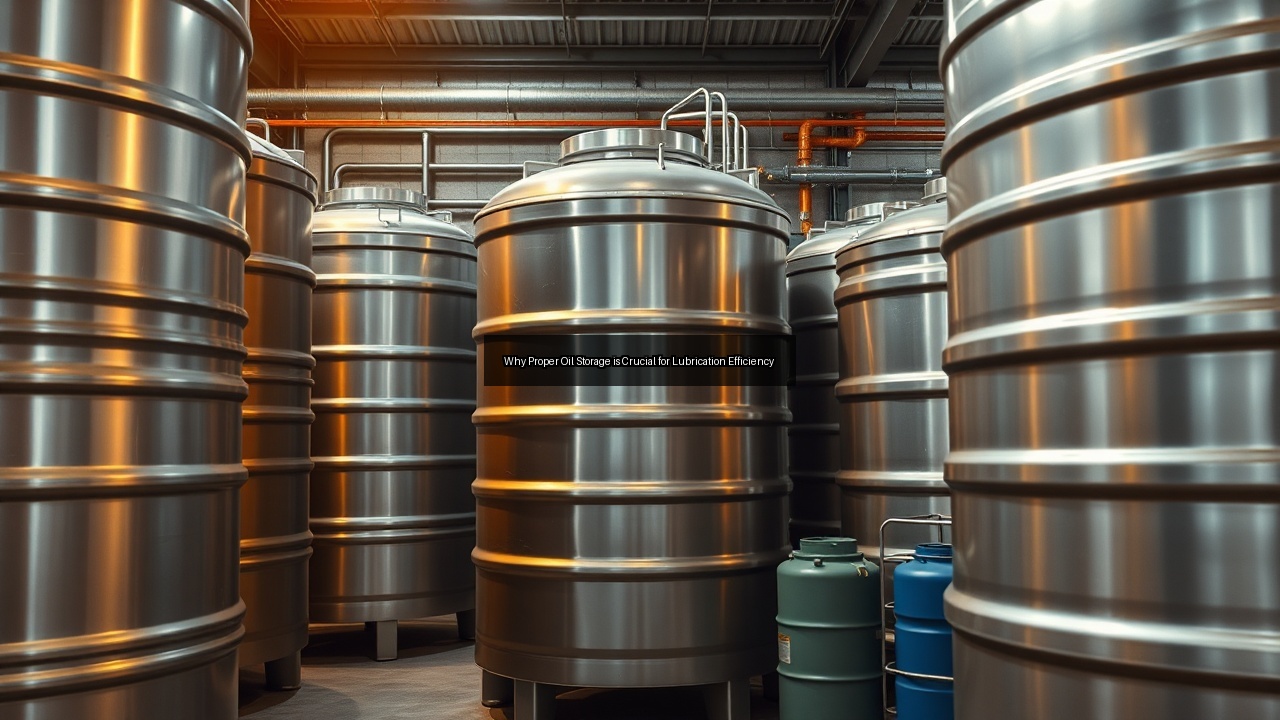
The Importance of Proper Oil Storage
Understanding Lubrication Efficiency
Proper oil storage directly determines how well lubricants perform in engines and machinery. Clean, stable oil maintains its viscosity and additive package, which supports consistent film strength between moving parts. When oil storage containers keep contaminants out, lubrication efficiency improves because friction decreases and wear rates drop. Operators notice longer service intervals and reduced downtime once they switch to dedicated tanks designed for this purpose. In high-load applications such as compressors and gearboxes, even minor viscosity changes can lead to metal-to-metal contact, so storage conditions that preserve molecular integrity become critical for extending component life.
Effective storage also preserves the chemical balance inside each quart or liter of fluid. Heat, light, and air exposure break down base stocks over time, yet sealed oil storage containers block those factors. Facilities that track temperature and humidity inside their oil tanks report steadier performance from hydraulic systems and gearboxes. This reliability translates into predictable maintenance schedules and lower replacement costs for critical components. Furthermore, consistent storage practices allow maintenance teams to forecast lubricant consumption more accurately, enabling better inventory planning and reduced emergency purchases during peak production periods.
Impact of Contaminants on Oil Quality
Water, dirt, and metal particles quickly degrade oil once they enter storage. Even small amounts of water promote oxidation and form acids that attack bearings and seals. Dedicated oil storage containers with tight seals and filtration ports stop these intrusions before they reach the lubricant. Regular sampling from the bottom of tanks reveals problems early and prevents costly equipment failures downstream. Particle counters and Karl Fischer titration tests provide quantitative data that guide decisions on whether to polish or discard a batch before it reaches machinery.
Plastic container options and metal drums each carry different risks if left open or poorly labeled. Dust settles into open tops, while condensation forms on tank walls during temperature swings. Gravity feed systems help by keeping oil moving without repeated transfers that introduce air. Operators who maintain clean cages around storage tanks and rotate stock by date protect oil quality far longer than those who ignore these details. In addition, color-coded tags and digital inventory systems reduce the likelihood of using expired or degraded lubricant, while periodic ultrasonic cleaning of tank interiors removes sediment that might otherwise re-contaminate fresh deliveries.
Types of Oil Storage Containers
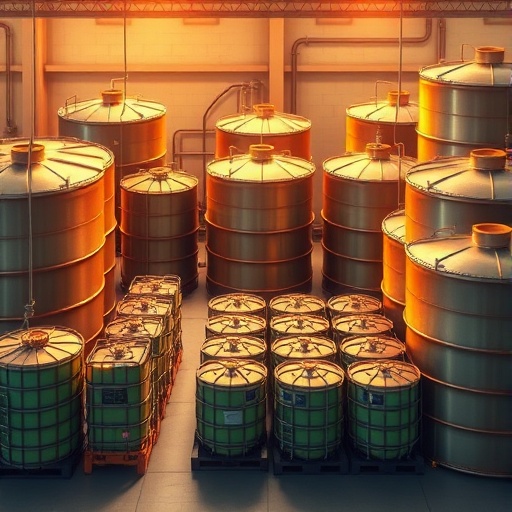
Oil Tanks: A Comprehensive Overview
Oil tanks serve as the backbone of any bulk lubrication program. Vertical and horizontal designs range from a few hundred gallons up to several thousand, allowing facilities to match capacity with consumption rates. Internal coatings and external weatherproofing extend service life while protecting oil from ultraviolet light and rain. Proper venting and level gauges keep operators informed without opening the tank repeatedly. Many modern tanks also incorporate epoxy linings or stainless-steel construction to resist corrosion from aggressive additives found in certain synthetic lubricants.
Many sites install oil storage tanks with built-in heaters or coolers to maintain ideal temperatures year-round. This control prevents viscosity shifts that affect pumpability and lubrication film thickness. Larger installations often connect multiple tanks through manifolds so one oil type can feed several production lines without cross-contamination risks. Manifold systems equipped with isolation valves and dedicated transfer pumps further minimize the chance of mixing incompatible fluids during changeovers or top-offs.
Plastic Containers vs. Metal Drums
Plastic containers offer lightweight handling and corrosion resistance for smaller volumes such as quarts or liters. They stack easily in cages and reduce the chance of rust particles entering the oil. Metal drums, by contrast, provide superior strength for rough handling and long-term outdoor placement. Both options require clear labeling and secondary containment to meet safety rules. High-density polyethylene (HDPE) totes, for instance, resist many chemical additives yet may absorb certain aromatic compounds, whereas steel drums offer excellent barrier properties but demand exterior coatings to prevent atmospheric corrosion.
Facilities choose between the two based on turnover speed and storage environment. High-use lubricants move quickly into plastic containers for easy pouring, while slower-moving synthetics stay in sealed metal drums until needed. Regular inspection of bungs and lids prevents leaks regardless of material choice. Some operations employ hybrid solutions, such as plastic liners inside metal drums, to combine the chemical inertness of plastic with the structural integrity of steel for especially sensitive or expensive fluids.
Gravity Feed Systems in Oil Storage
Gravity feed setups deliver oil from elevated tanks without pumps, which lowers energy use and reduces mechanical failure points. A simple valve and hose arrangement lets technicians fill smaller containers directly at the point of use. Proper elevation and line sizing ensure steady flow even for viscous lubricants during cold weather. These systems also reduce shear stress on high-viscosity synthetics, preserving their molecular structure better than centrifugal pumping methods.
These systems integrate well with oil storage containers that feature sight glasses and overflow protection. Filters placed at the outlet catch particles before they reach equipment. Maintenance crews schedule periodic flushing of lines to prevent sludge buildup that could restrict flow over time. In cold climates, trace heating along feed lines or insulated piping prevents waxing or gel formation that would otherwise interrupt delivery during winter months.
Best Practices for Oil Storage
Temperature Control and its Effects on Oil
Temperature swings accelerate oxidation inside any oil storage container. Keeping storage areas between 50 and 80 degrees Fahrenheit preserves additive performance and prevents thickening or thinning that disrupts lubrication. Insulated tanks or climate-controlled rooms deliver consistent oil quality across seasons. Some facilities deploy phase-change materials inside tank walls to dampen daily temperature fluctuations without continuous energy input.
Facilities monitor tank surfaces with infrared thermometers and adjust ventilation or heating accordingly. Warm oil flows better during transfers, yet excessive heat shortens shelf life. Documented temperature logs help predict when oil should move into active service before degradation begins. Integrating these logs with computerized maintenance management systems enables automated alerts when conditions drift outside optimal ranges, allowing proactive intervention before quality is compromised.
Preventing Water Contamination in Storage Tanks
Water enters tanks through breathers, loose lids, or temperature-driven condensation. Desiccant breathers and automatic water-removal systems on oil storage tanks cut this risk dramatically. Regular draining of low points removes accumulated moisture before it emulsifies with the oil. Vacuum dehydration units can reduce water content to below 50 ppm when paired with online monitoring, providing an extra layer of protection for critical hydraulic systems.
Operators test samples for water content at least monthly. Clear plastic sight tubes on tanks make visual checks simple. When water appears, crews filter or replace the oil rather than risk sending contaminated lubricant into bearings or cylinders. Continuous capacitive sensors installed at the tank bottom provide real-time water-level data, enabling immediate response before emulsification occurs and eliminating the need for frequent manual sampling.
Choosing the Right Storage Containers for Different Oils
Mineral oils, synthetics, and biodegradable lubricants each demand specific container materials and seal types. Aggressive additives can attack certain plastics, while some synthetics require stainless steel tanks. Matching oil storage containers to the fluid prevents leaching or chemical reactions that alter performance. Viton or PTFE seals are often specified for ester-based fluids, whereas standard nitrile works adequately for most mineral oils.
Color-coded lids and dedicated pumps further reduce mix-ups between grades. Facilities that store multiple lubricants maintain separate oil tanks for each type and post clear inventory records. This discipline supports accurate stock rotation and avoids costly cross-contamination incidents. Implementing a first-in, first-out (FIFO) policy alongside barcoded containers ensures older stock is used before newer deliveries, further safeguarding lubricant integrity across the entire storage inventory.
Regulatory Considerations for Oil Storage
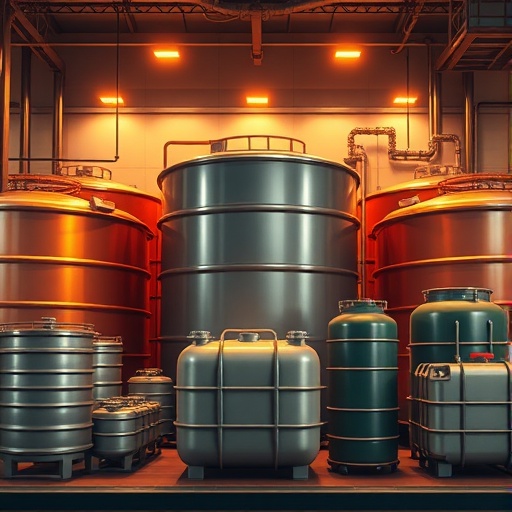
Safety Standards for Oil and Gas Storage
Industry guidelines from OnePetro and similar resources outline spacing, fire protection, and secondary containment for oil and gas storage. Tanks must sit on stable foundations with spill berms sized to hold 110 percent of the largest container volume. Regular inspections verify that vents, gauges, and grounding systems remain functional. API 650 and NFPA 30 standards further specify design criteria for atmospheric tanks, including weld inspection and pressure testing protocols that ensure structural integrity over decades of service.
Personnel training covers proper transfer procedures and emergency response. Clear signage identifies contents and hazards around every oil tank. These measures protect workers while satisfying insurance and local fire marshal requirements. Annual third-party audits and documented corrective actions demonstrate due diligence and can reduce liability exposure during regulatory reviews or insurance renewals.
Environmental Regulations Affecting Storage Practices
Environmental rules limit leaks and mandate spill prevention plans for oil storage tanks. Double-walled designs and leak detection sensors help facilities meet reporting thresholds. Proper labeling and inventory tracking support compliance during audits. Facilities must also maintain stormwater pollution prevention plans that address potential runoff from loading areas and secondary containment zones.
Disposal of used oil and filters follows strict manifesting procedures. Facilities that integrate these steps into daily routines avoid fines and maintain good community relations. Updated records also simplify permit renewals when regulations evolve. Electronic waste-tracking platforms now allow real-time submission of manifests, reducing paperwork errors and accelerating regulatory reporting cycles.
Future Trends in Oil Storage Solutions
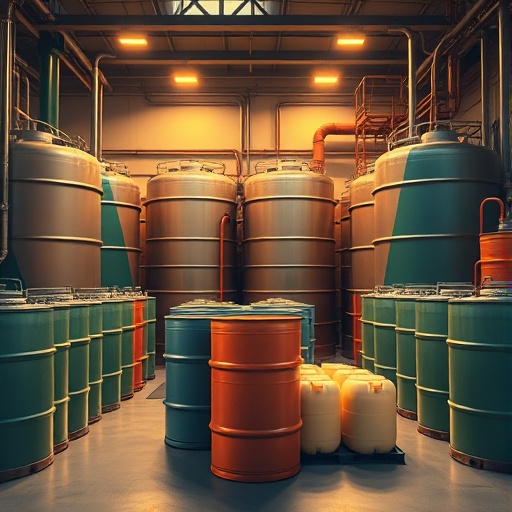
Innovations in Storage Tank Technology
Smart sensors now track temperature, level, and water content inside oil storage containers in real time. Wireless alerts notify staff before conditions threaten oil quality. Some tanks incorporate self-cleaning filters and automated polishing systems that extend fluid life without manual intervention. Edge-computing devices installed on tanks can perform local data analysis, reducing latency and bandwidth demands when transmitting condition information to central dashboards.
Advanced coatings resist corrosion better than traditional paints. Modular tank designs allow quick capacity increases as operations grow. These developments reduce labor while improving the reliability of lubrication programs across industries. Additive-manufactured internal components, such as custom baffles and sensor mounts, are also emerging, enabling rapid customization of tank internals for specific lubricant chemistries or facility layouts.
Sustainable Practices in Oil Storage
Recyclable plastic containers and reusable metal drums lower waste streams from lubrication handling. Facilities install rain covers and vapor recovery on oil tanks to cut emissions and product loss. Some operations blend used oil back into lower-grade applications after filtration, closing the loop on lubricant use. Closed-loop filtration skids paired with blockchain-based chain-of-custody records are gaining traction, allowing companies to certify the provenance and quality of re-refined base stocks.
Energy-efficient heating systems and solar-powered monitoring equipment further reduce the carbon footprint of storage areas. Companies that adopt these methods report both regulatory compliance and measurable cost savings over traditional approaches. Life-cycle assessments now guide procurement decisions, favoring container materials and designs that minimize embodied energy while maximizing recyclability at end of service life.