Exploring the Importance of Inspection in Hydraulic Valve Production
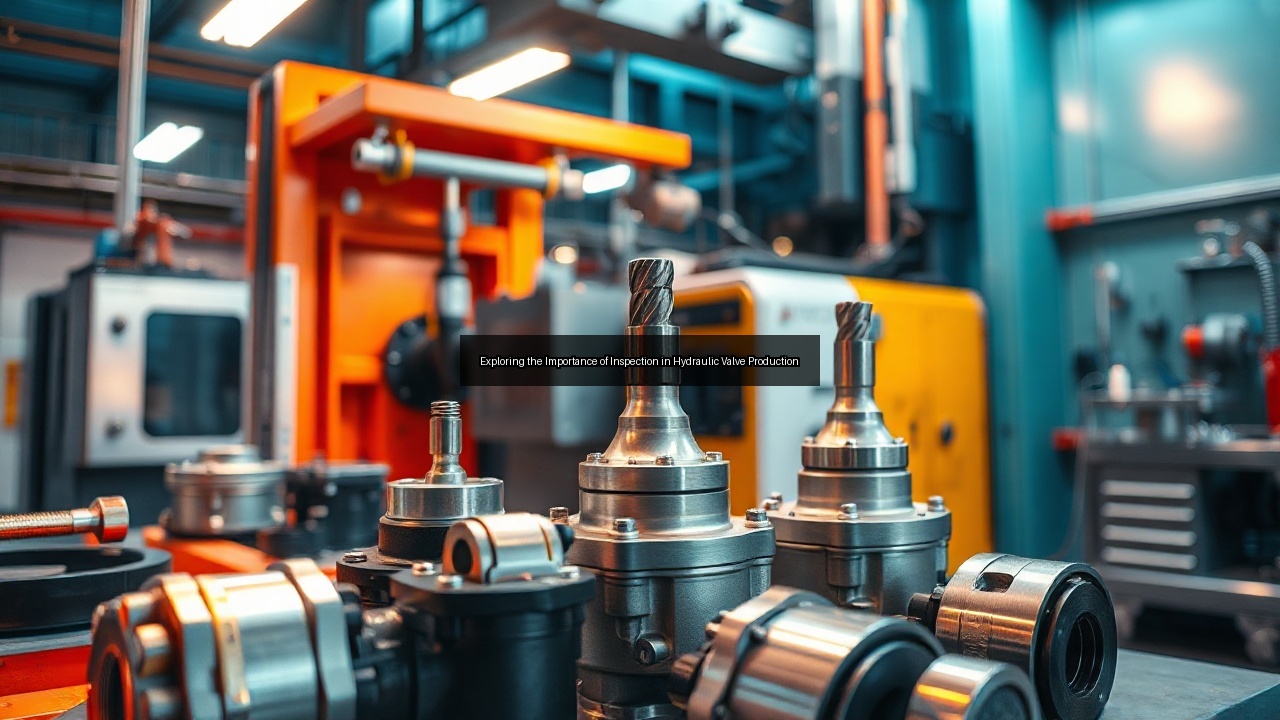
The Role of Inspection in Hydraulic Valve Machining
Understanding Hydraulic Valve Components
Hydraulic valves play a critical role in controlling fluid flow and pressure within hydraulic systems. These components, which include spools, seats, and bodies, require precise machining to ensure effective operation. The machining process involves shaping and refining metal parts using various techniques such as drilling, milling, and grinding. Each component must interact seamlessly within the hydraulic manifold, and any deviation from specifications can lead to operational failures. Understanding each component's role and the overall system's requirements is crucial for manufacturers aiming to produce high-quality hydraulic valves. Comprehensive inspections during production ensure that every part meets the necessary standards for performance and reliability.
The Importance of Accurate Machining Tolerances
Accurate machining tolerances stand as a cornerstone in hydraulic valve production. These tolerances define the acceptable limits of variation for each component's dimensions. Even slight deviations can result in leakage, reduced efficiency, or complete system failure. Manufacturers employ advanced machining methods to achieve tight tolerances, ensuring that each valve fits perfectly within its designated assembly. Regular inspections verify that these tolerances are met, providing the necessary checks throughout the machining process. By focusing on accuracy, manufacturers not only enhance product quality but also build customer trust in the reliability of their hydraulic systems.
Common Defects in Valve Production
Defects in hydraulic valve production can stem from various sources, including machining errors, material flaws, and improper handling. Common issues include surface burrs, dimensional inaccuracies, and structural weaknesses. Burrs may form during machining processes, affecting the valve's sealing capabilities. Dimensional inaccuracies often arise from tool wear or miscalibration, leading to parts that do not fit correctly. Structural weaknesses can result from poor material selection or defects in the casting process. Continuous inspection throughout production allows manufacturers to identify these defects early, minimizing waste and ensuring that only the highest quality valves reach the market.
Inspection Techniques in Hydraulic Valve Manufacturing
Visual Inspection: Identifying Surface Burrs and Defects
Visual inspection remains one of the simplest yet most effective techniques for detecting surface imperfections in machined hydraulic valves. Technicians examine parts for burrs, scratches, and other visible defects that could compromise performance. This method often involves using magnifying tools to enhance detail and ensure a thorough examination. While visual inspections are quick and cost-effective, they do not replace other more advanced techniques. Instead, they serve as an initial check to catch obvious flaws before moving on to more sophisticated methods. By integrating visual inspection into the process, manufacturers can improve quality control and reduce the likelihood of defects in the final product.
Utilizing CAD for Design Verification
Computer-Aided Design (CAD) plays a pivotal role in hydraulic valve manufacturing, particularly in the design verification stage. CAD software allows engineers to create precise digital models of valve components. These models enable manufacturers to simulate machining processes and assess tolerances before any physical work begins. By comparing the designed specifications against the actual machined components, manufacturers can identify discrepancies early in production. This proactive approach not only saves time and resources but also enhances overall product quality. Leveraging CAD technology ensures that each valve meets the specified design criteria, ultimately leading to improved performance in hydraulic applications.
Functional Testing of Machined Valves
Functional testing serves as a critical step in validating the performance of machined hydraulic valves. This testing assesses how well the valve operates under real-world conditions, ensuring that it can handle the pressures and flow rates expected in operational environments. During functional testing, technicians monitor parameters such as flow rate, pressure drop, and response time. Any irregularities during these tests can indicate issues with machining accuracy or material quality. By conducting rigorous functional tests, manufacturers can guarantee that their valves meet industry standards and customer expectations. This commitment to quality assurance solidifies the manufacturer's reputation in the competitive hydraulic market.
Material Selection and Its Impact on Inspection
Choosing the Right Metals for Hydraulic Valves
The selection of materials significantly influences the quality and performance of hydraulic valves. Manufacturers typically choose metals that offer strength, corrosion resistance, and machinability. Common materials include steel, aluminum, and cast iron, each possessing unique properties that affect the valve's longevity and reliability. For instance, stainless steel provides excellent resistance to corrosion, making it ideal for hydraulic systems exposed to harsh environments. Proper material selection not only impacts the performance of the valve but also plays a crucial role in the inspection process. Inspectors must account for the material properties when evaluating the final product, ensuring that the selected metal meets all required specifications.
How Casting Quality Affects Inspection
Casting quality directly affects the inspection process for hydraulic valves. Poor casting can lead to defects such as voids, inclusions, and surface imperfections that compromise the valve's integrity. Manufacturers must prioritize high-quality casting techniques to minimize these issues. Effective inspections focus on identifying casting defects early in production, often using non-destructive testing methods such as ultrasonic or radiographic inspection. By ensuring that the casting process meets stringent quality standards, manufacturers can reduce the likelihood of defects and enhance the accuracy of the machined components. This proactive approach leads to more reliable hydraulic valves that perform consistently in demanding applications.
The Role of Material Structure in Machining Accuracy
The internal structure of materials significantly impacts machining accuracy in hydraulic valve production. Factors such as grain size, hardness, and overall material consistency can influence the machining process. For example, materials with a fine grain structure often allow for better precision and surface finish during machining. Conversely, materials with uneven structures can lead to unpredictable machining outcomes, resulting in dimensional inaccuracies. Understanding the relationship between material structure and machining techniques enables manufacturers to optimize their processes and improve inspection outcomes. By focusing on both material properties and machining methods, manufacturers can enhance the overall quality of their hydraulic valves.
Innovations in Inspection Processes for Hydraulic Valves
Advancements in Machine Tool Technology
Recent advancements in machine tool technology have transformed the landscape of hydraulic valve manufacturing. Modern CNC machines offer unparalleled precision and repeatability, allowing manufacturers to achieve tighter tolerances than ever before. Integrated inspection systems within these machines enable real-time monitoring of machining processes, ensuring immediate feedback on dimensional accuracy. This innovation reduces the time spent on inspections and enhances overall efficiency. As machine tool technology continues to evolve, manufacturers must stay informed about new capabilities to maintain a competitive edge in the market. Embracing these advancements leads to improved product quality and customer satisfaction.
The Future of Inspection in Automotive Applications
The automotive industry increasingly relies on hydraulic valves for various applications, from braking systems to power steering. As this reliance grows, so does the need for advanced inspection processes to ensure valve reliability. The future of inspection in automotive applications involves integrating smart technologies, such as artificial intelligence and machine learning, to enhance defect detection and quality assurance. These technologies can analyze vast amounts of data from production processes, identifying patterns and predicting potential failures. As manufacturers adopt these innovative approaches, they will be able to enhance the quality and performance of hydraulic valves, meeting the ever-increasing demands of the automotive sector.
Prototyping and Its Importance in Valve Design
Prototyping serves as a vital step in the hydraulic valve design process. Developing prototypes allows manufacturers to test and refine their designs before committing to full-scale production. This iterative process helps identify potential flaws in design and machining tolerances early on. By creating functional prototypes, engineers can conduct rigorous testing to evaluate performance under various conditions. Feedback from these tests can inform necessary design adjustments, ultimately leading to a more reliable final product. Focusing on prototyping not only enhances design accuracy but also reduces production costs and time, making it an essential aspect of hydraulic valve manufacturing.
See Also
- How Functional Testing Ensures Reliability in Hydraulic Valve Manufacturing
- From Casting to Machining The Complete Lifecycle of Hydraulic Valves
- Unlocking the Secrets of Spool Design in Hydraulic Valve Machining
- Innovative Designs in Hydraulic Valve Machining for the Automotive Industry
- Mastering Hydraulic Valve Machining Techniques for Precision Engineering